Light is the most valuable, most subtle and most overlooked material in architecture. It reveals volumes, defines atmosphere and transforms the perception of every space — it does not illuminate spaces, it makes them felt.
Axis Studio was born with a single obsession: to push architecture to the limits of the visual. Every image is a rigorous process where light is not an effect — it is the starting point. Because we believe architecture tells stories, and light is the one who narrates them.
We do not make renders. We build atmospheres.
Construction of precise and detailed 3D models from plans or references. Geometry faithful to real architecture, with extreme attention to proportions, materials and constructive quality.
Interior and exterior images with cinematic lighting, maximum detail materials and advanced post-production. Each render is a studied composition designed to transmit atmosphere and emotion.
Walkthroughs and video sequences that narrate the architectural space as if it were a film. Camera, light and rhythm at the service of architecture — for presentations that impact and are remembered.
Not a service in itself, but part of our workflow. We integrate artificial intelligence into every project — from photorealistic people generation to video creation from static renders — to take every result one step beyond the conventional.
Every project follows a rigorous and transparent process. From the first documentation to the final render, we maintain constant communication to ensure every image exceeds expectations.
Before any technical action, we understand what the project needs to communicate. Is it a luxury residence that must convey exclusivity? A commercial space that needs to convince investors? A residential project that must make future buyers dream?
The objective defines everything: the lighting, the framing, the atmosphere, the level of detail. Without understanding the purpose of the image, it is impossible to create something that truly works.
The client sends all necessary material: architectural plans, visual references, moodboard, art direction and material specifications. The more complete the documentation, the more faithful the result to the original vision.
We build the three-dimensional model with architectural precision and fidelity. Every proportion, geometry and constructive detail is reproduced with extreme care so that the digital space is an exact reflection of the original design.
We set up lighting and define the framings. We send the first untextured images to validate volumes, proportions and camera positions before moving forward. The moment to make structural changes at no additional cost.
With cameras approved, we apply all materials and textures. Every finish — wood, stone, metal, fabric, glass — is created to reproduce with the greatest fidelity the project specification, paying special attention to how light interacts with each surface.
We deliver medium quality images for review. The client can request adjustments to materials, lighting, composition or framing. We include two rounds of corrections at no additional cost to ensure the result is exactly what is needed.
With everything approved, we launch the renders at maximum resolution. Each image goes through post-production in Photoshop — colour correction, atmosphere adjustment, integration of people and props — until reaching the cinematic level that defines Axis Studio.
Do you have an architectural project that deserves to be visualised at the highest level? Write to us and we will work together to create something extraordinary.
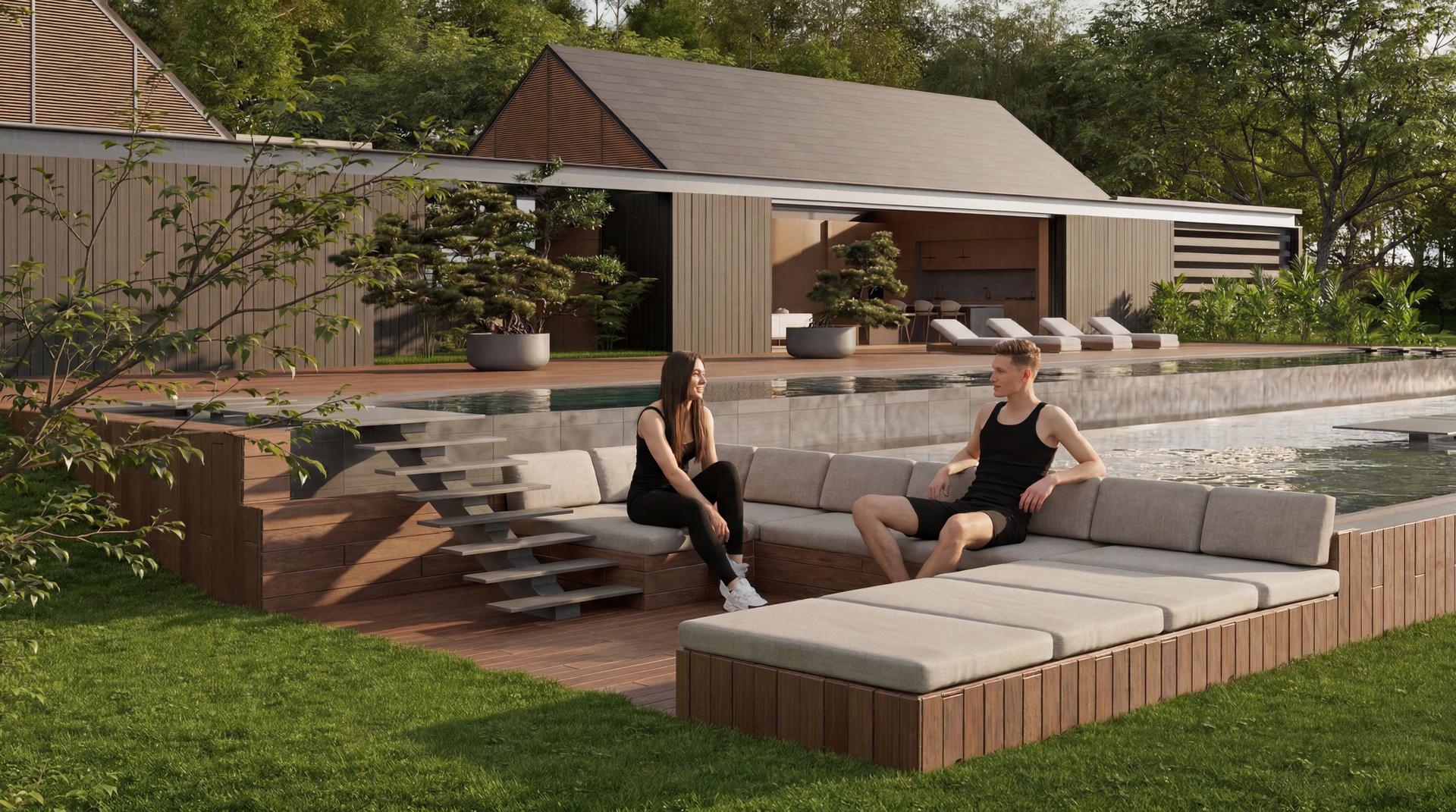
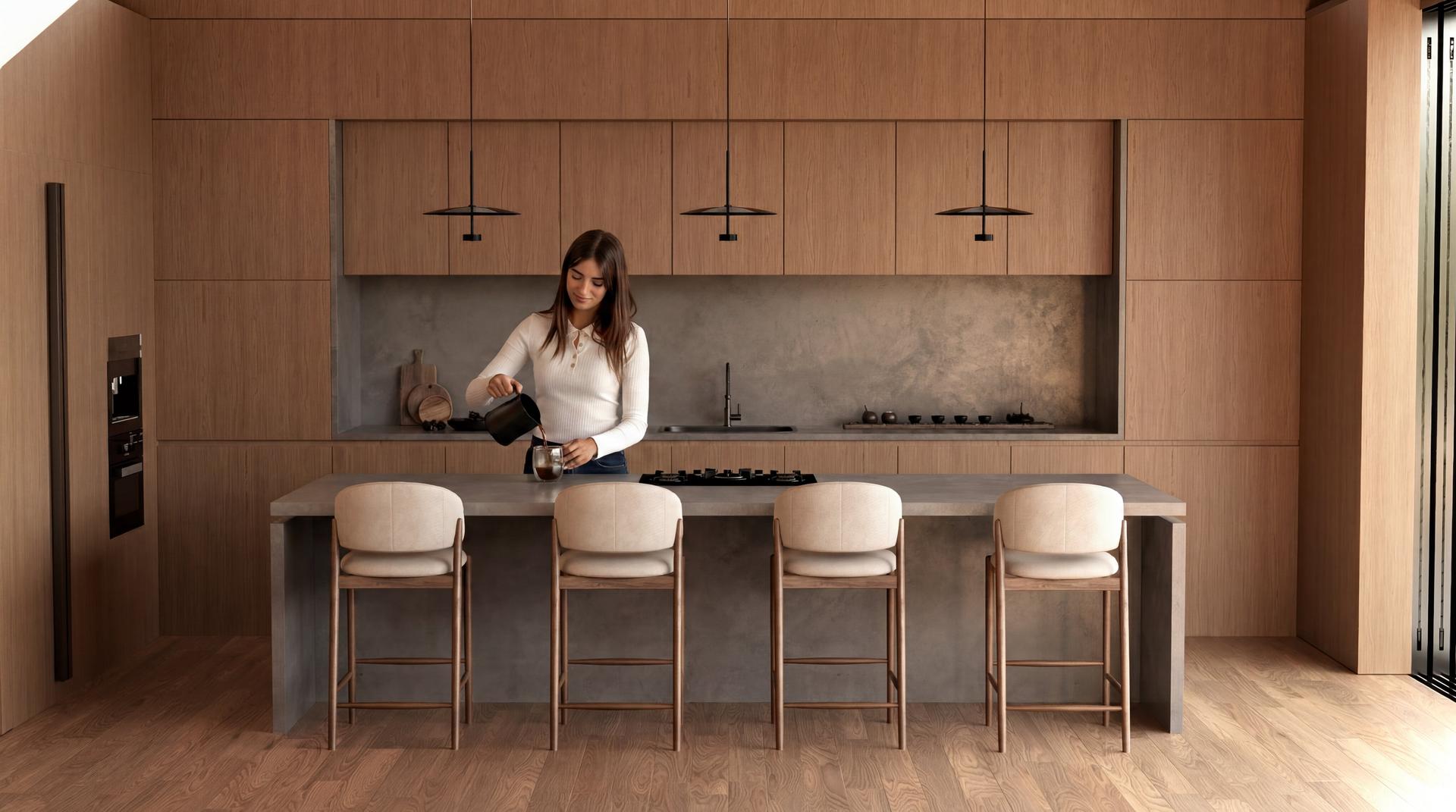
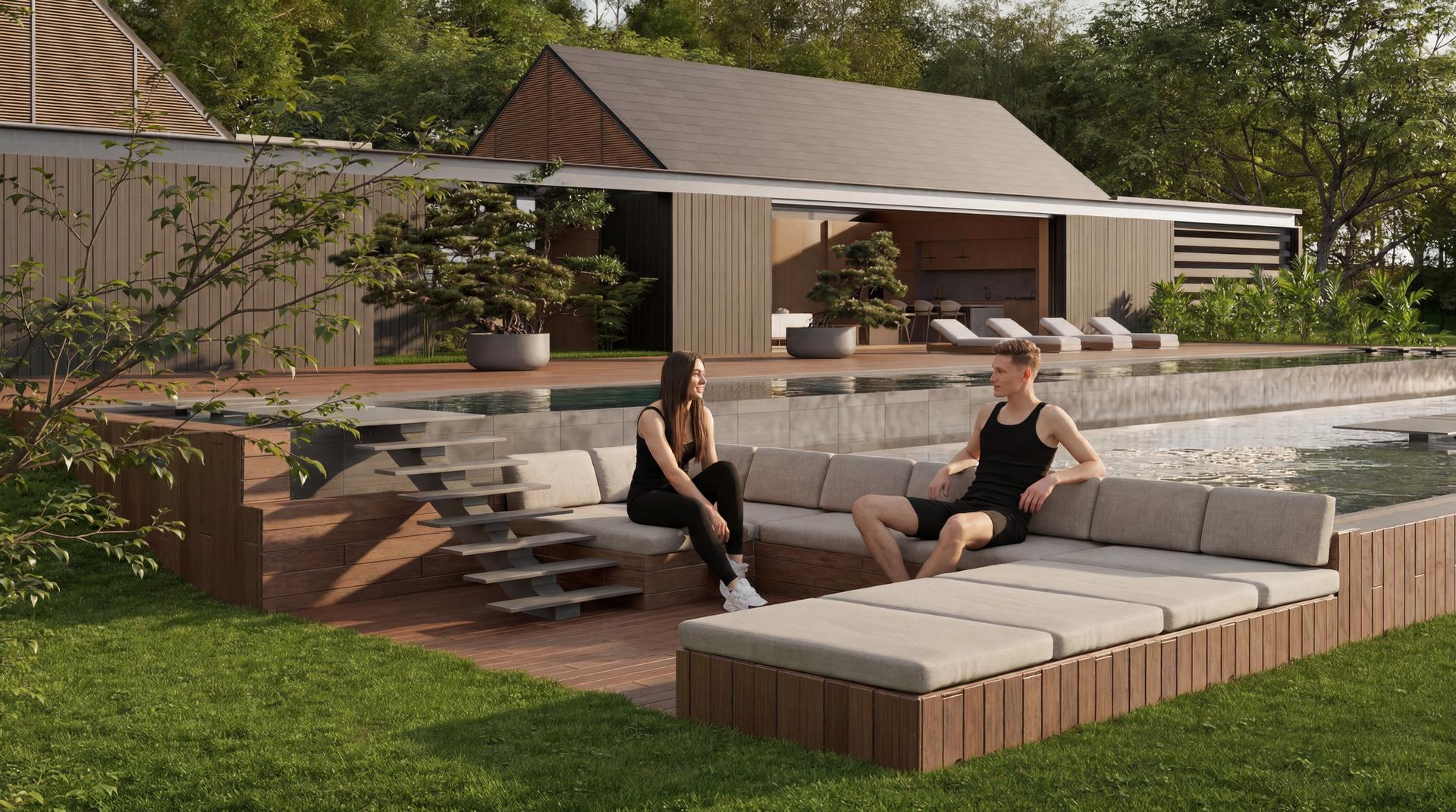
Architectural visualisation of Casa Dos Aguas, a residence designed by Colombian studio Cinco Sólidos for artist J Balvin in Rionegro, Antioquia. A project that marked a milestone in contemporary Colombian architecture with significant international impact.
Inspired by a trip to Japan, the house was conceived to be inhabited as a sanctuary. The synthesis of Japanese and Scandinavian architecture created a refuge of silence and wellbeing — featuring the Shou Sugi Ban charred wood technique, Shoji sliding panels and a bonsai collection in dialogue with the lush Antioquian landscape.
The challenge of this visualisation was to preserve the original intent: material honesty and natural light as the absolute protagonist. Every frame was designed so that light — filtered through wood, reflected in water, diffused through interiors — would narrate the story of the space before anything else.
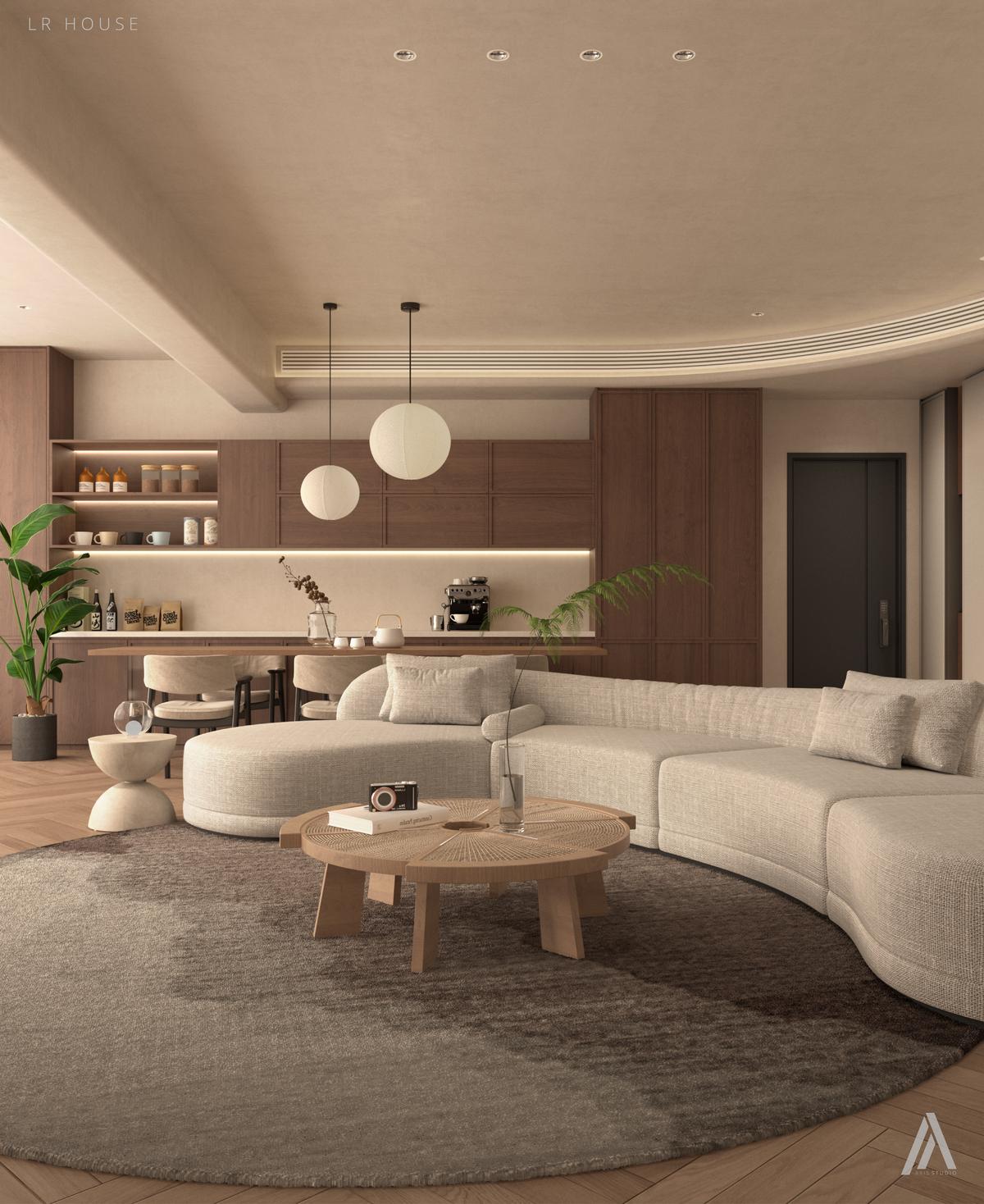
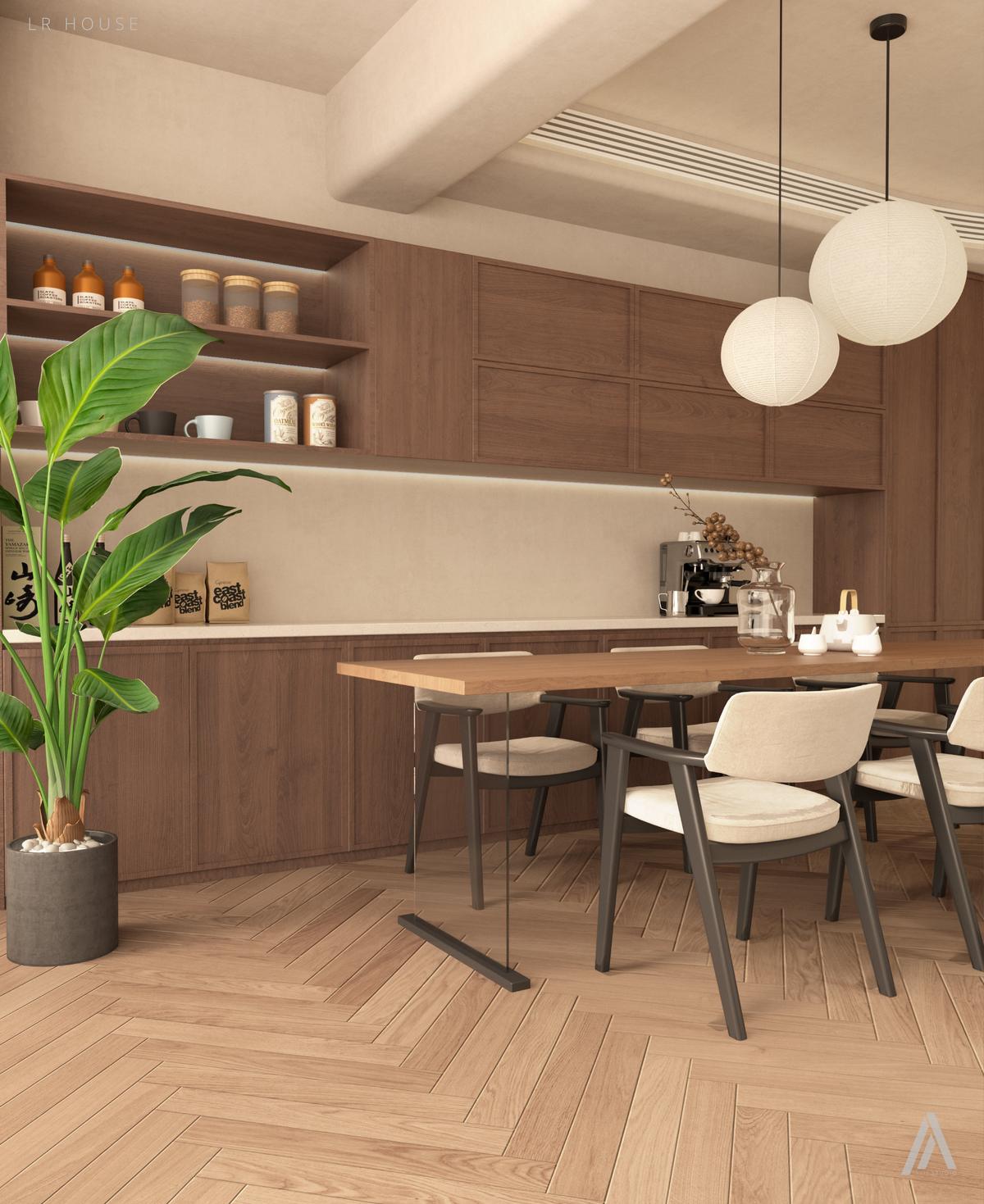
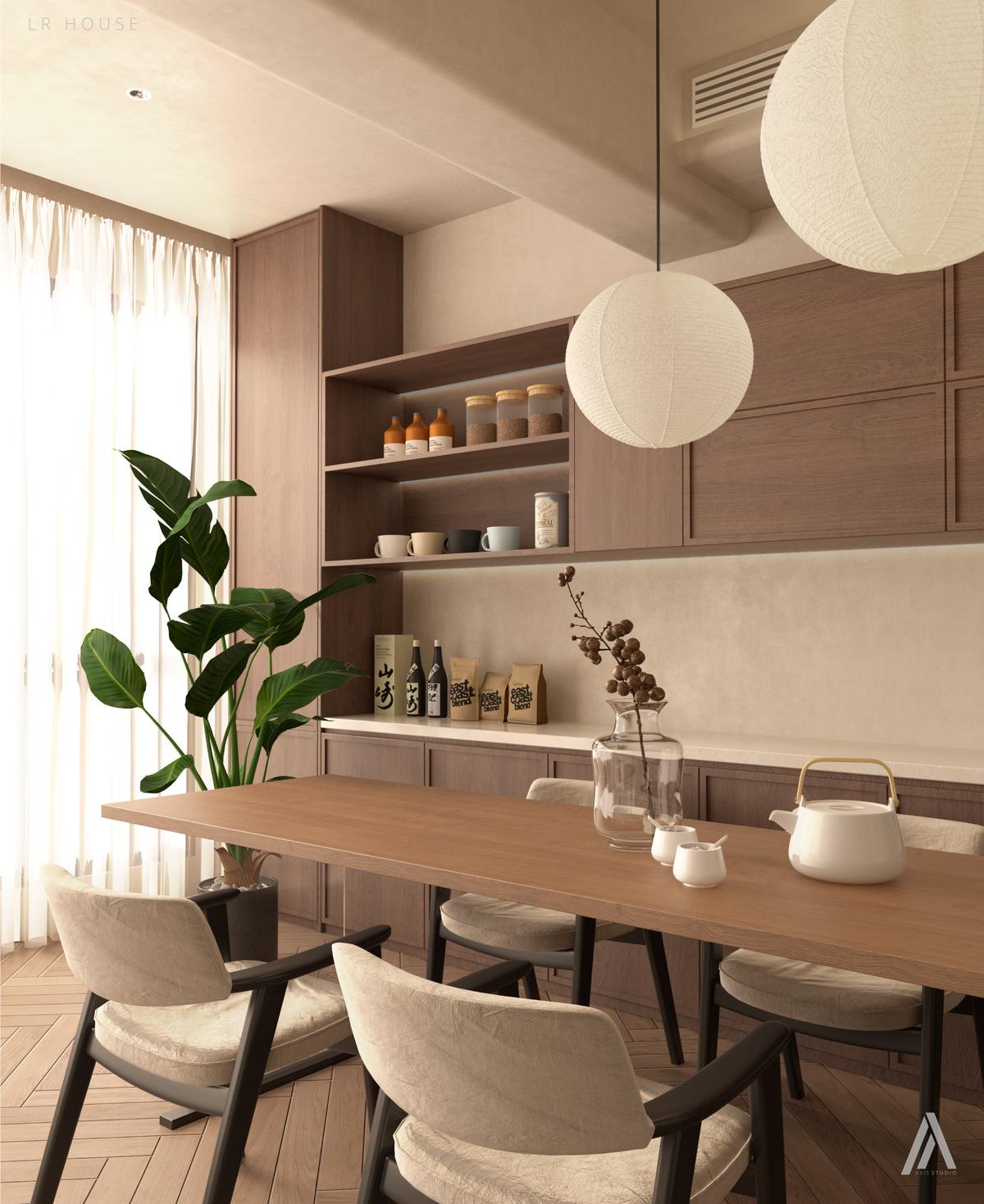
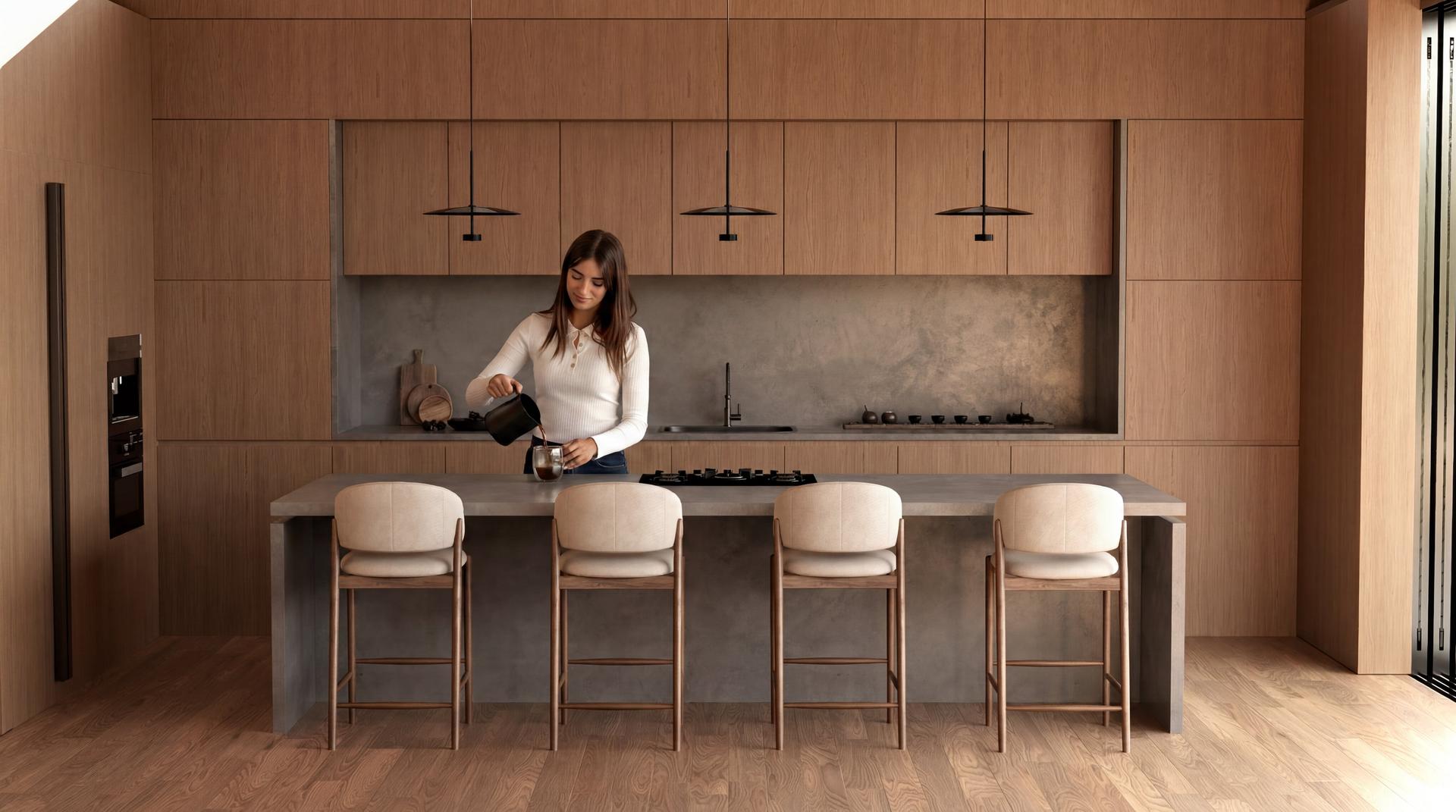
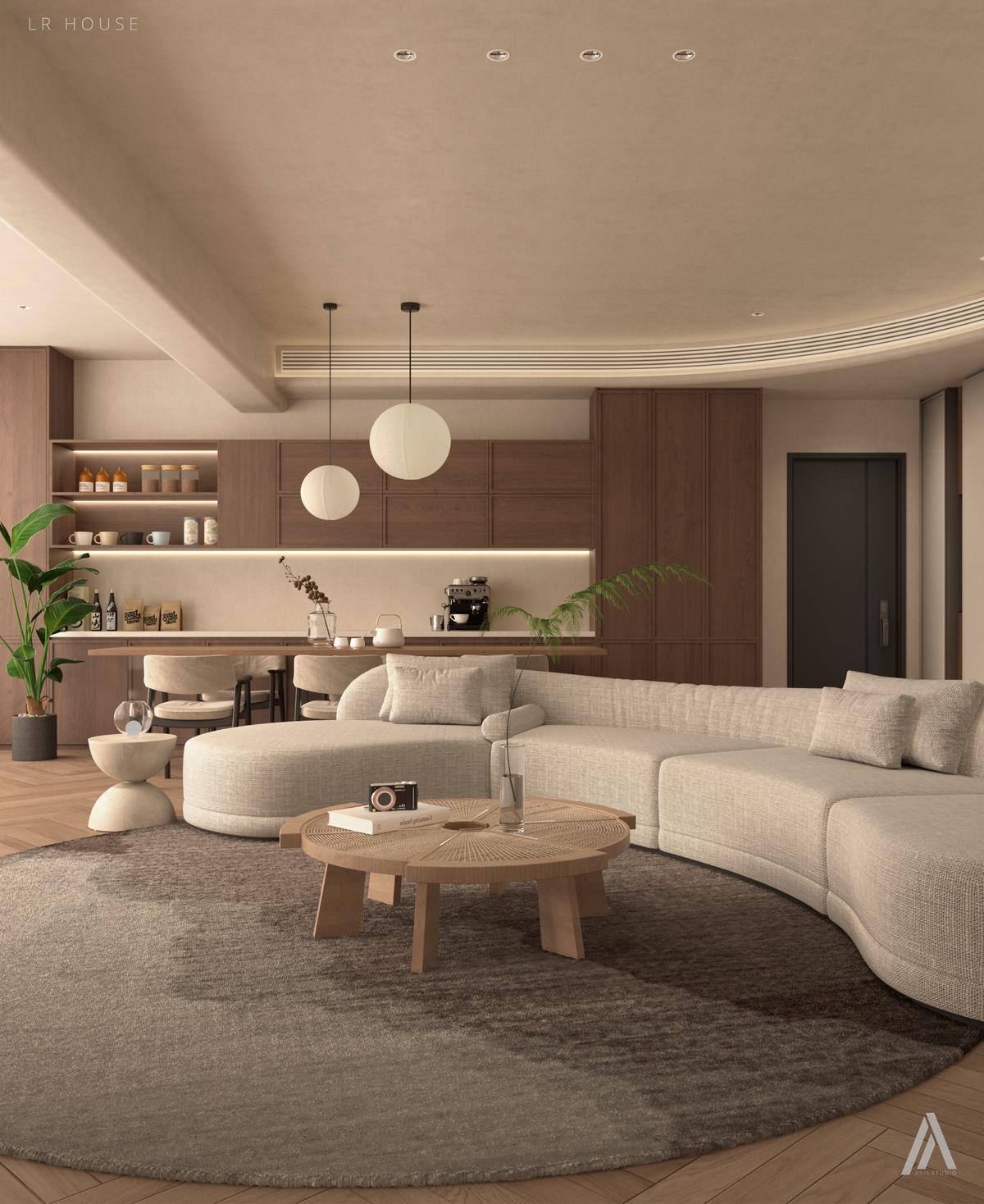
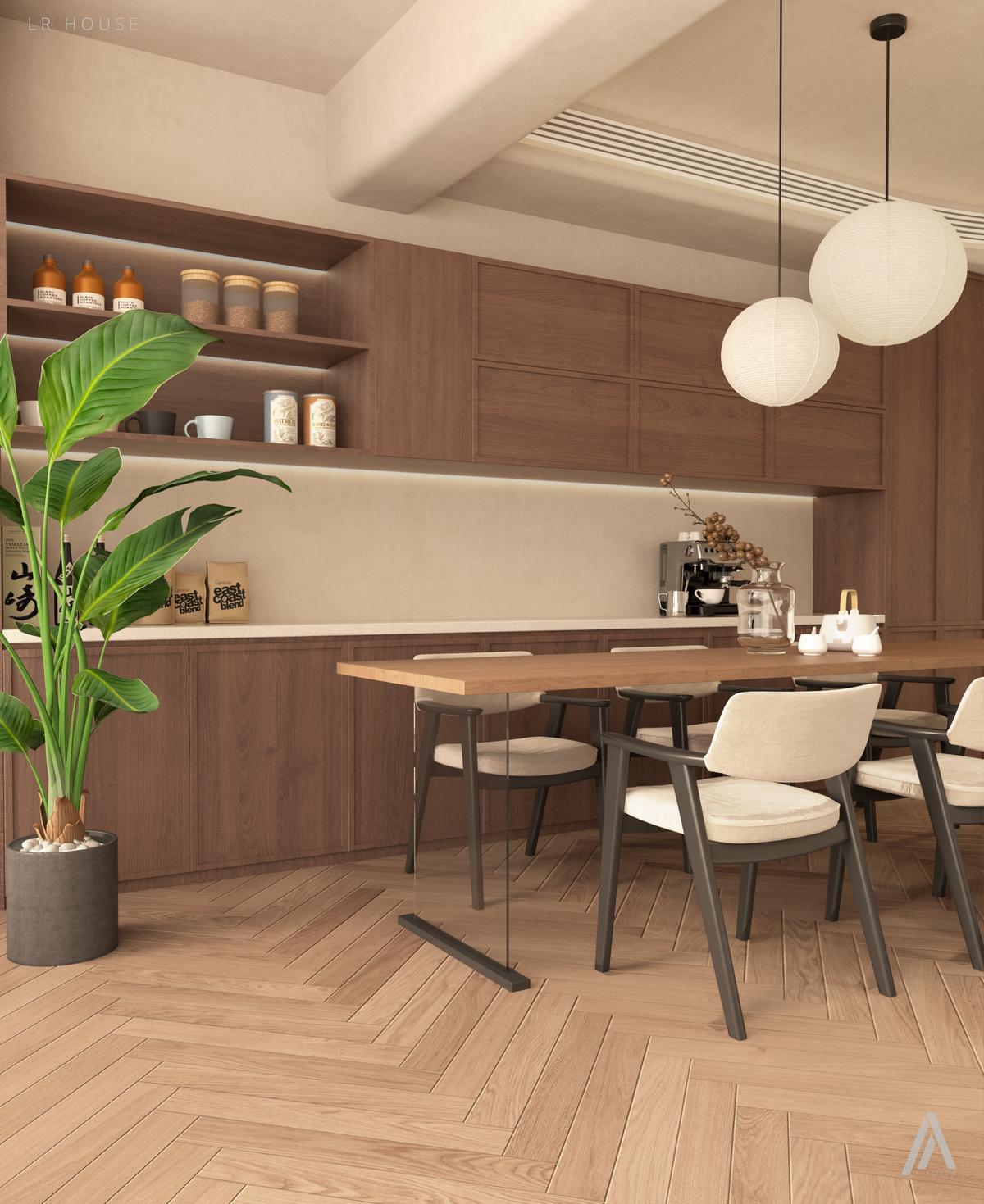
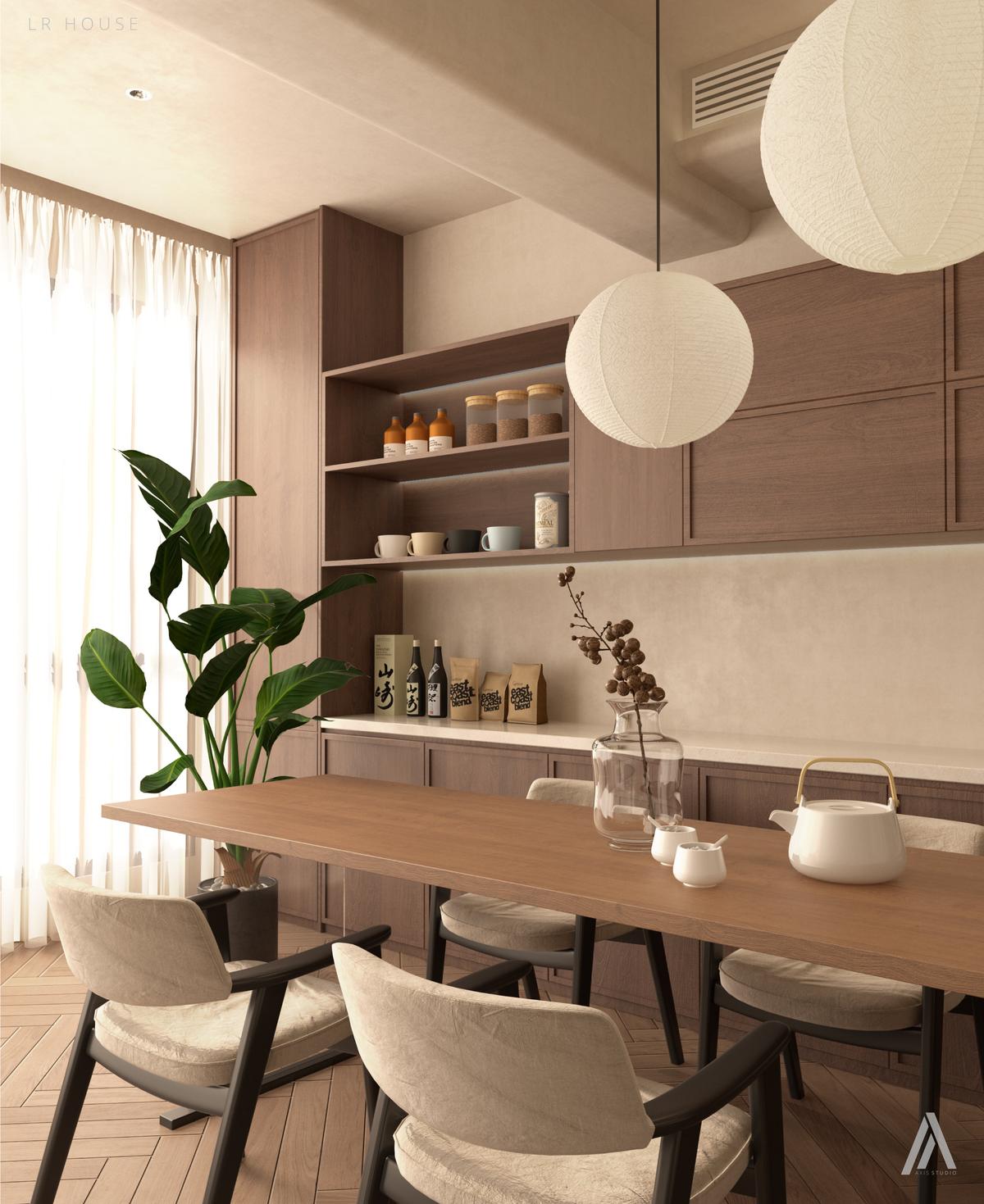
A residential interior project conceived as an exercise in maximum formal refinement. Sakura Residence explores the warmth of natural wood across its full extent — walls, ceilings, shelving and floors — creating an atmosphere that evokes the serenity of a Japanese country house translated into a contemporary urban setting.
Light is the primary material. Spherical washi paper pendants filter a warm, diffuse luminosity that erases harsh shadows and wraps every corner in an almost tactile warmth. The chromatic palette — beige, toasted wood, natural linen — generates a space that breathes tranquillity.
The technical challenge was faithfully reproducing the herringbone parquet texture, the translucency of the pendant lights and the depth of the open shelving. A project where photorealism serves emotion.
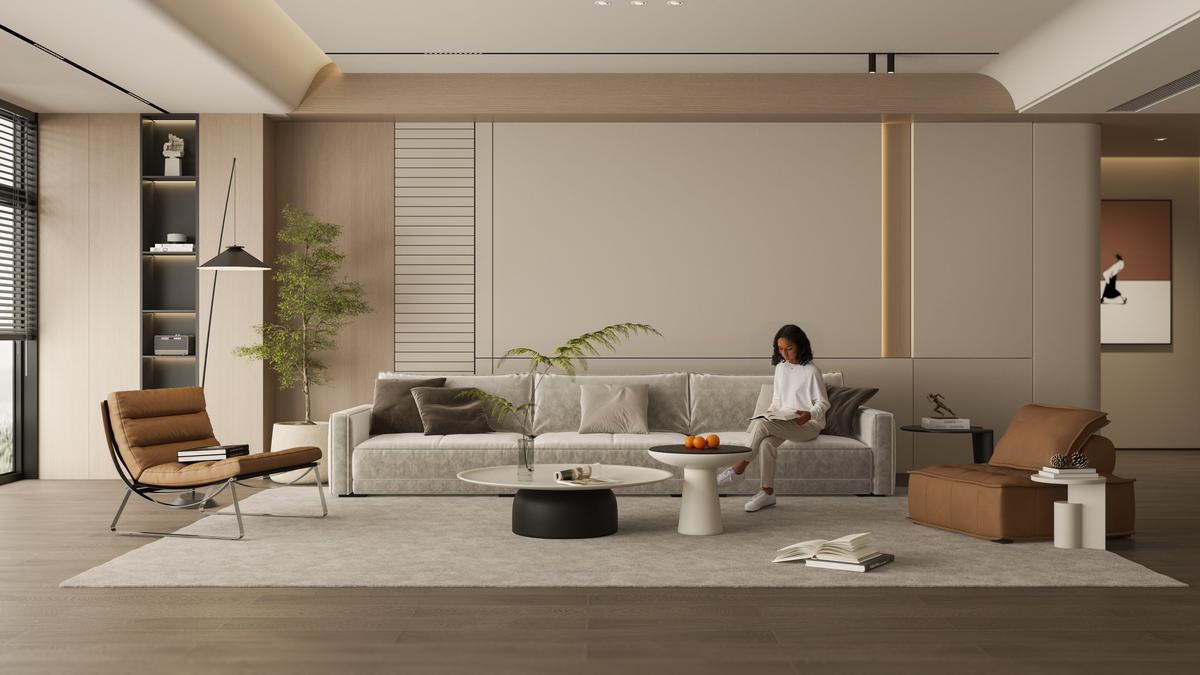
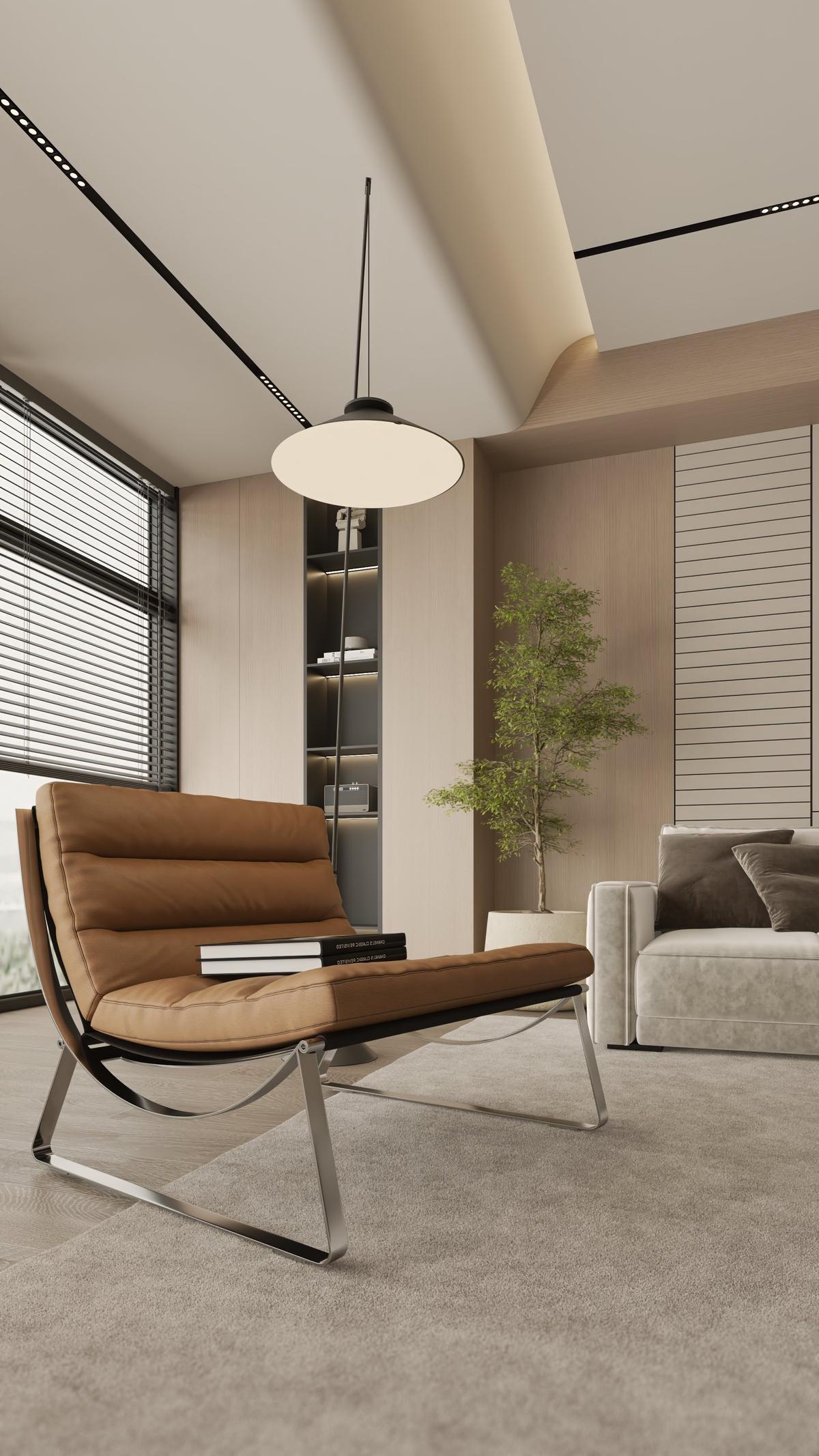
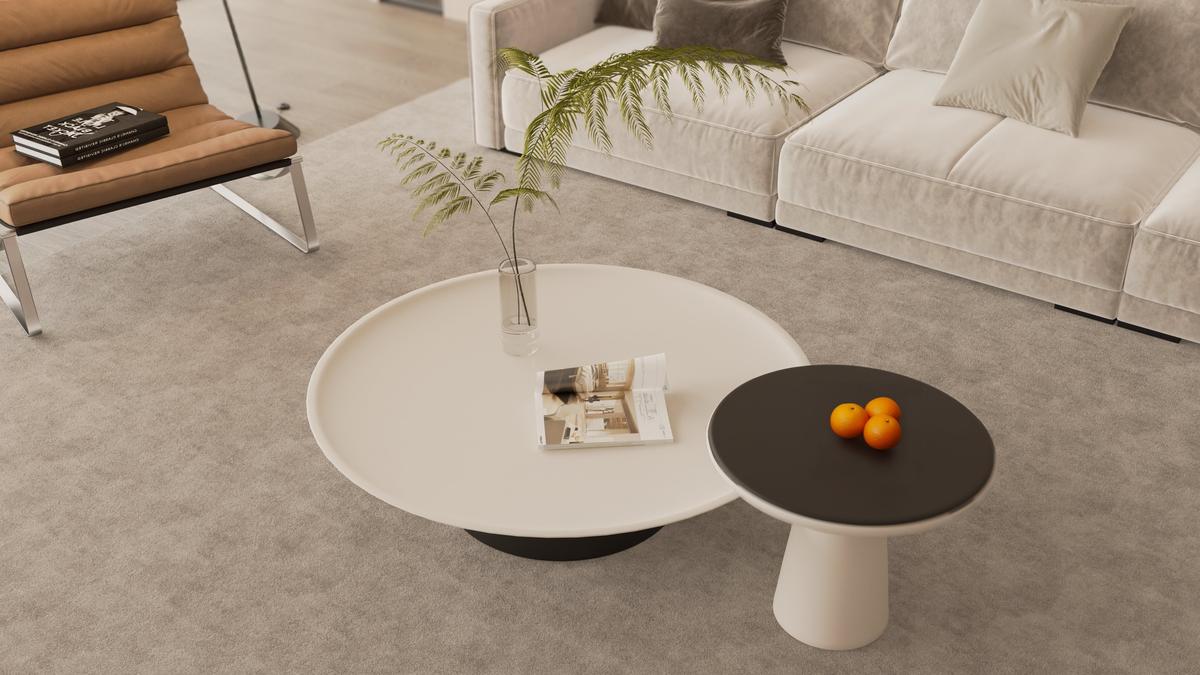
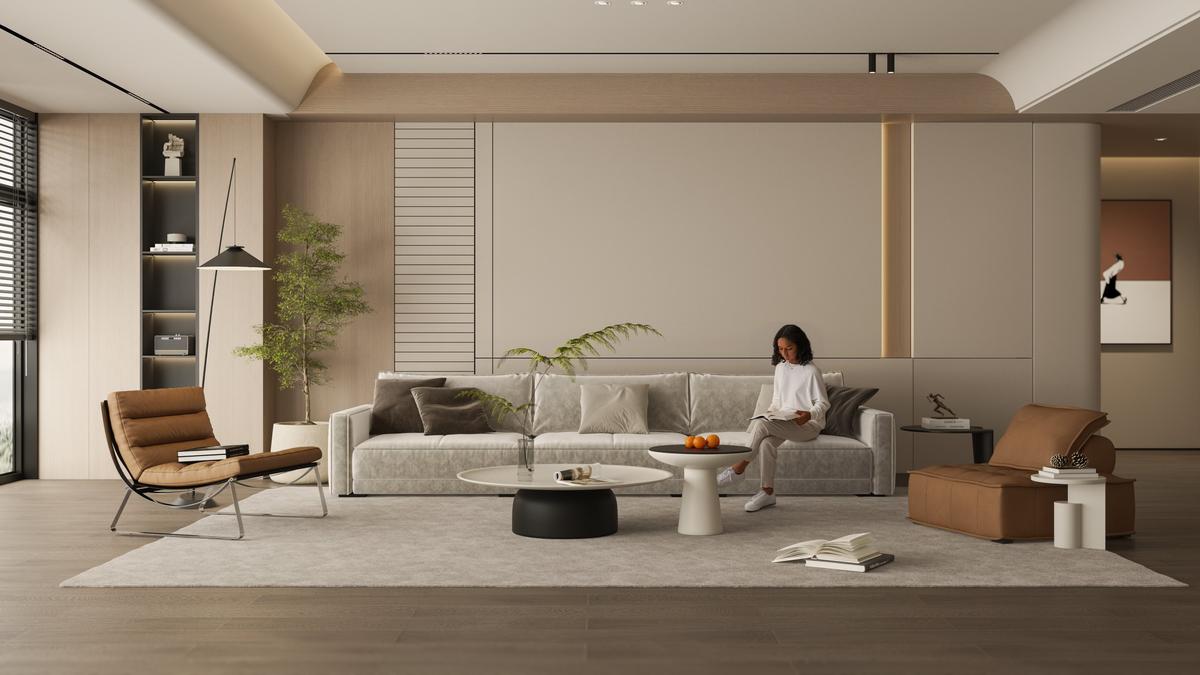
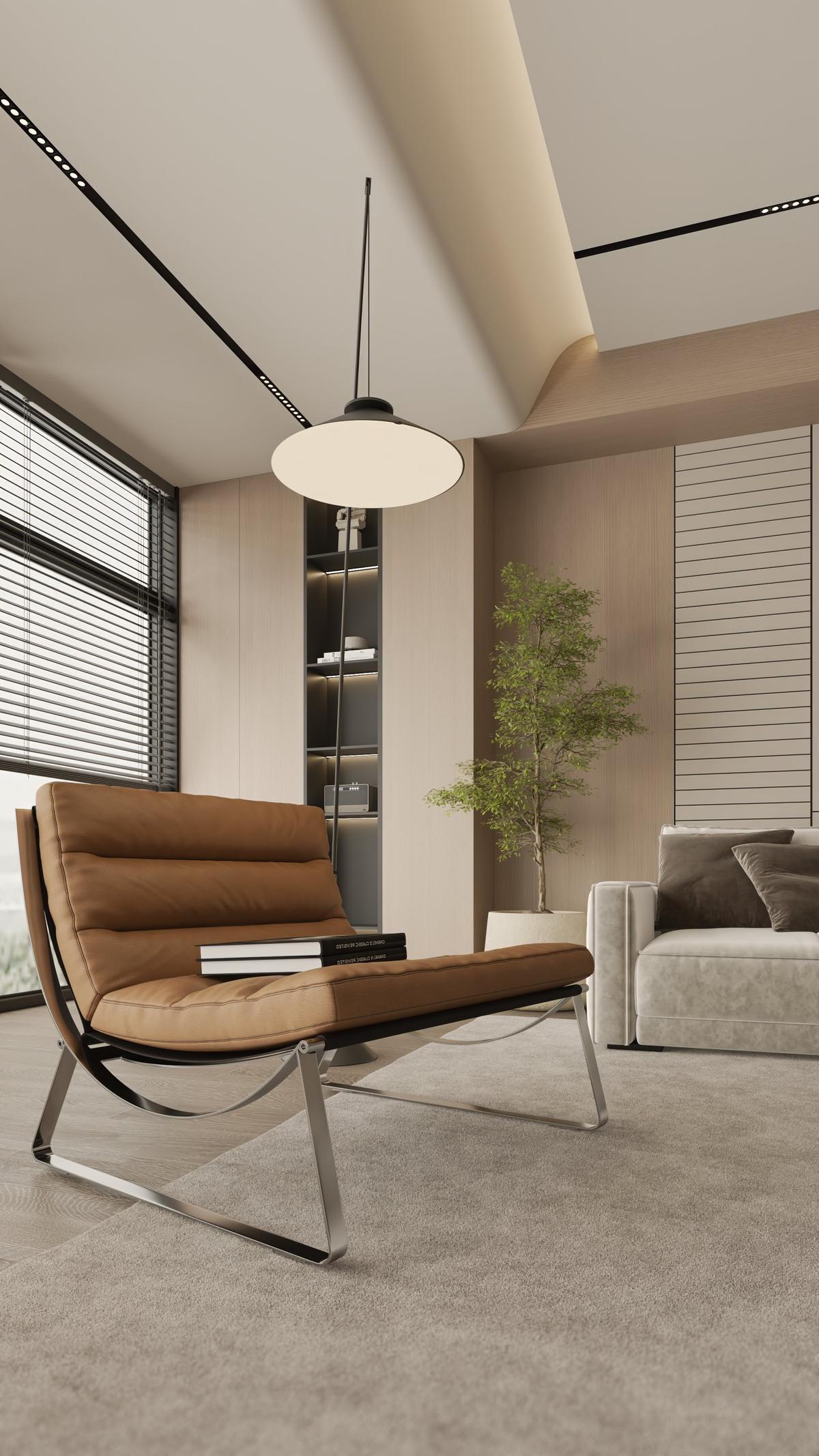
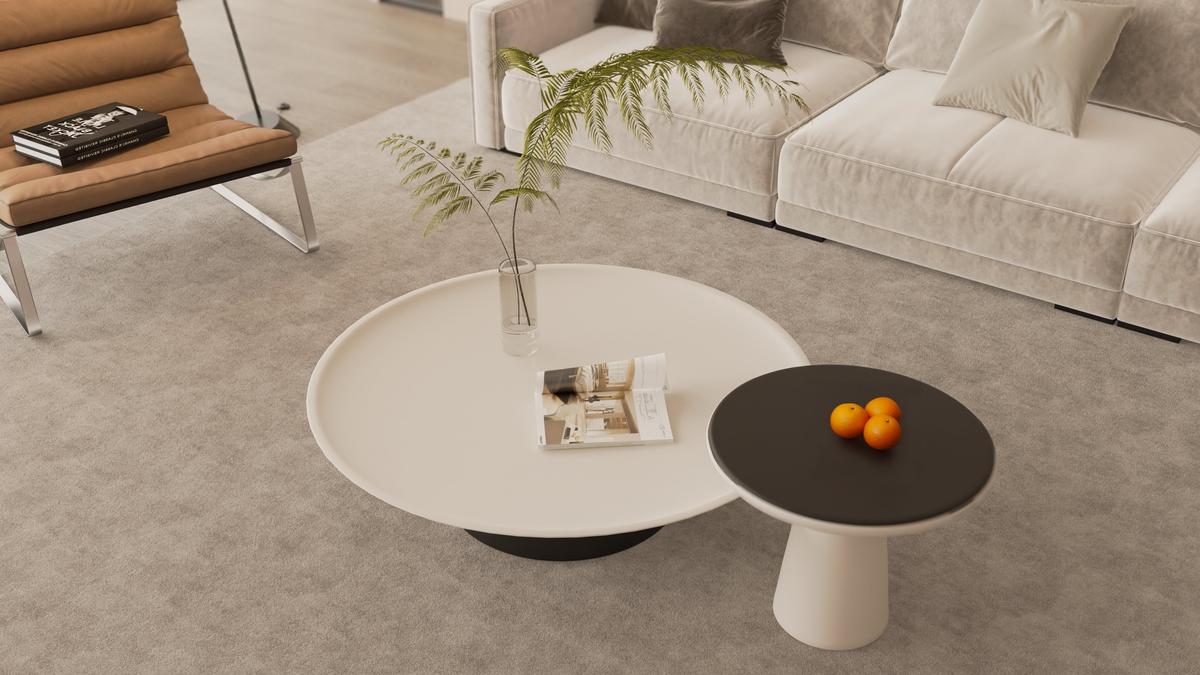
Terra Studio was born as an exploration of earth tones applied to the contemporary residential interior. The palette — terracotta on the feature wall, beige upholstery, camel leather on the iconic Barcelona chair and white on the central sofa — builds an environment that is both sophisticated and deeply human.
Natural light enters from the left, grazes the polished resin floor and generates the reflections that bring the image to life. Calibrating the right amount of reflection was one of the greatest technical challenges: enough to add depth without diverting attention from the furniture.
The main view framing was chosen so that the Barcelona chair acts as a visual vanishing point toward the sofa and window. A composition where every element has an exact place and purpose.
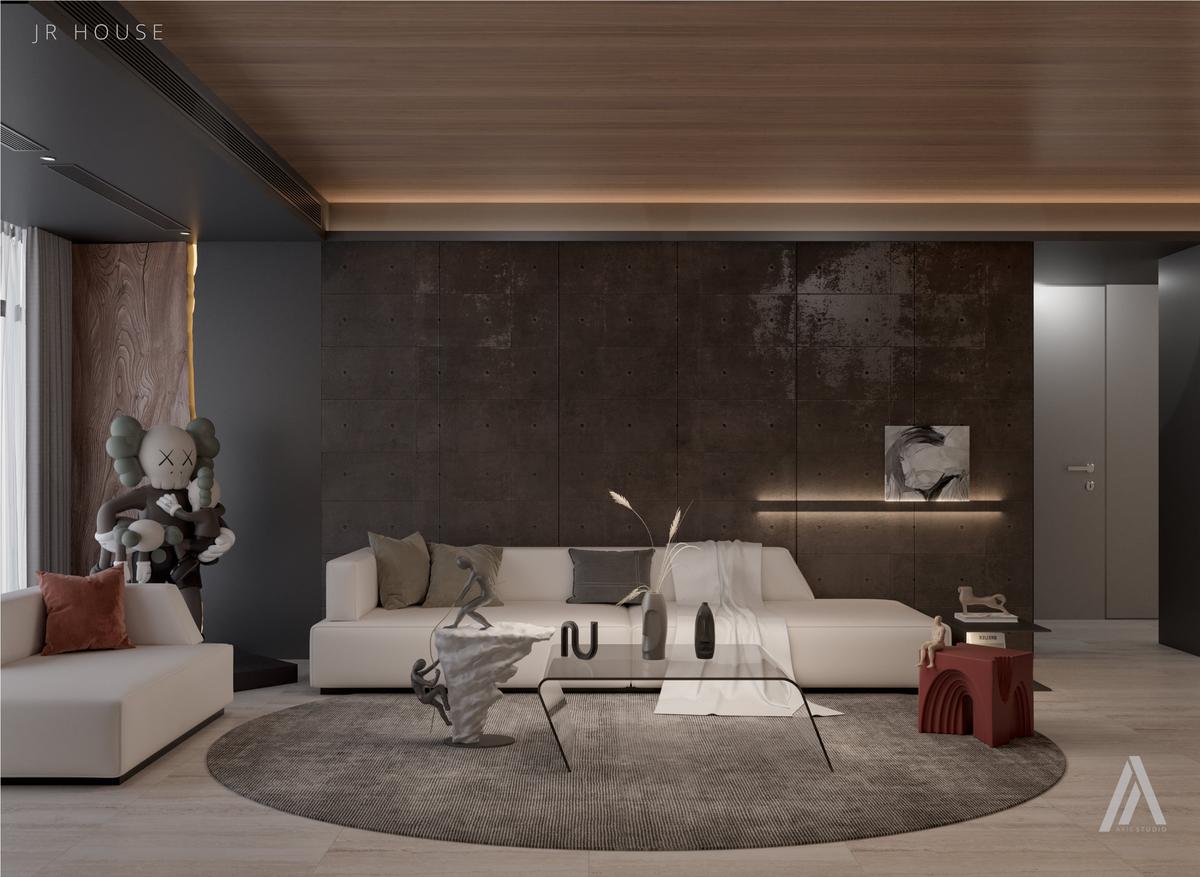
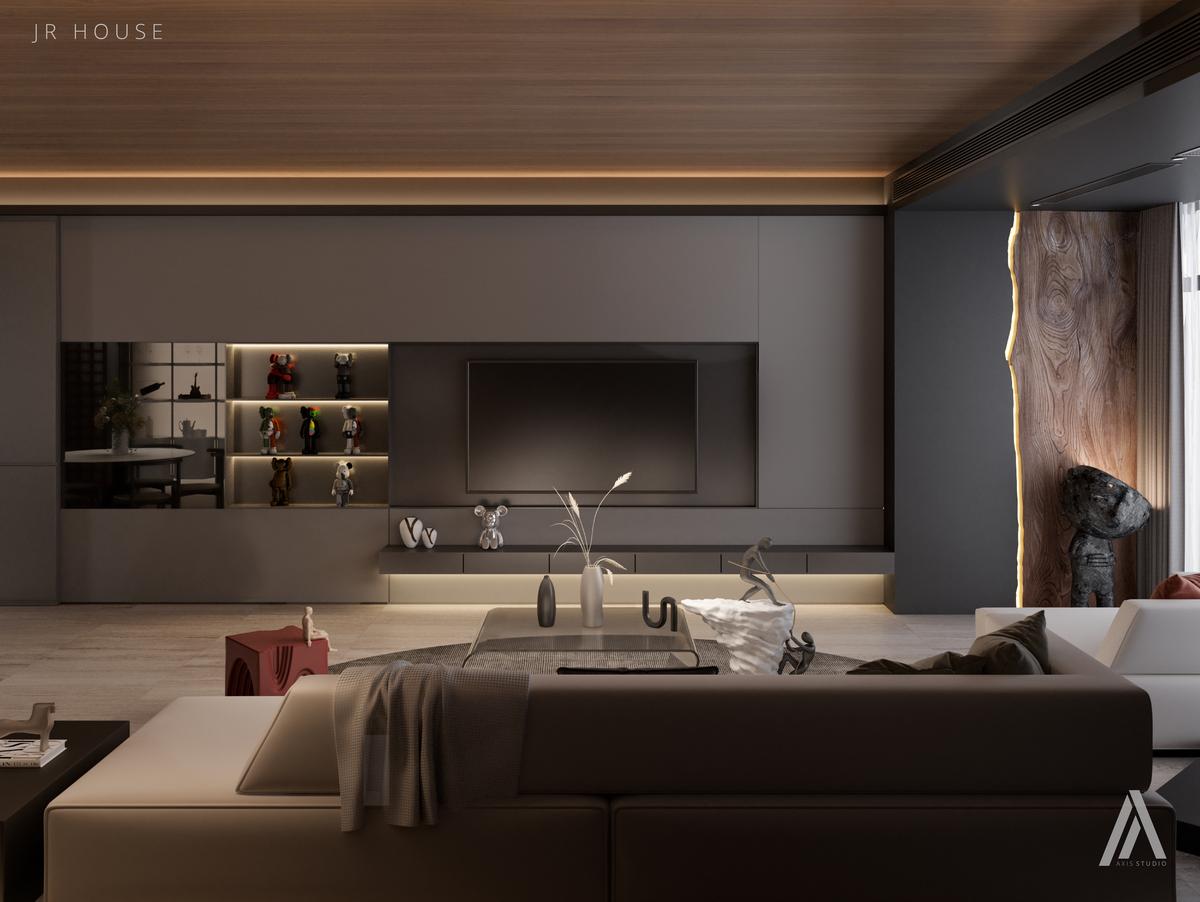
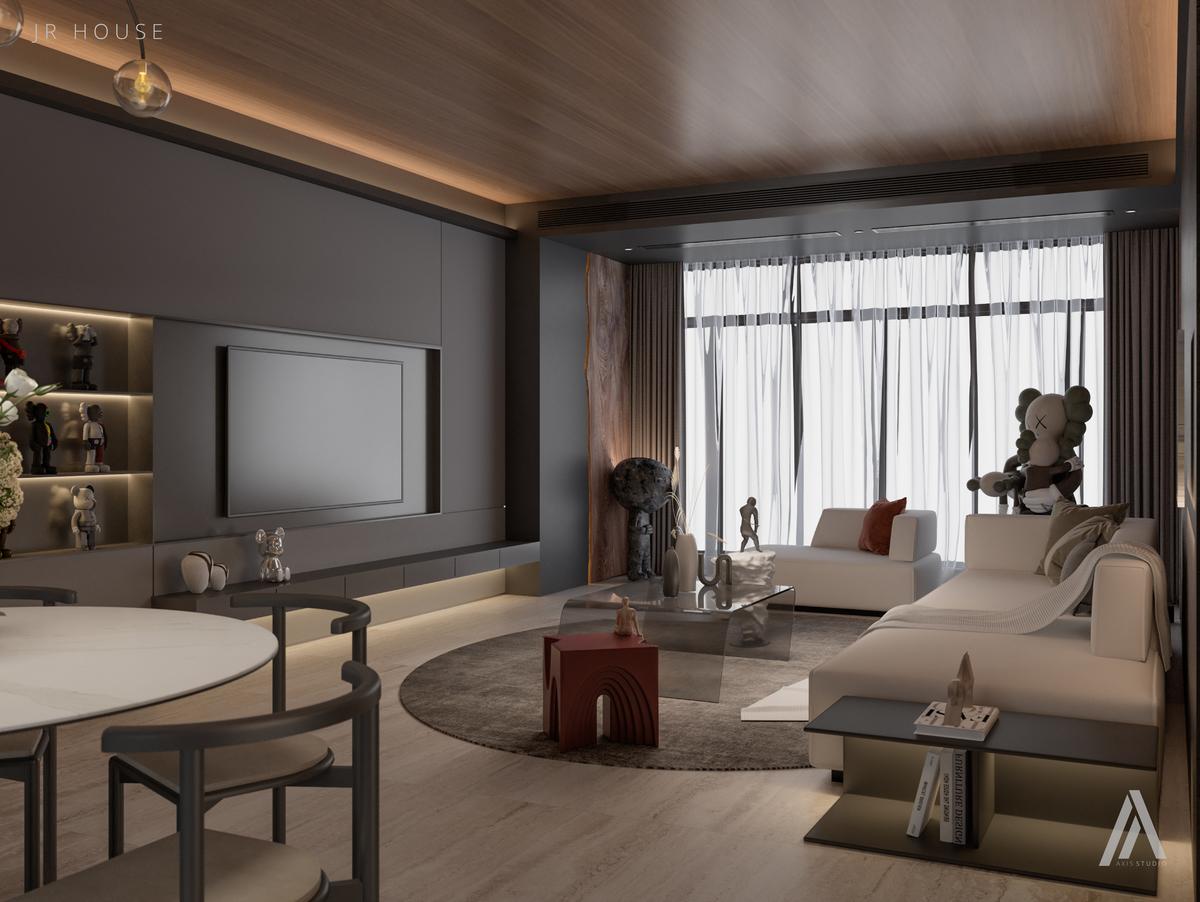
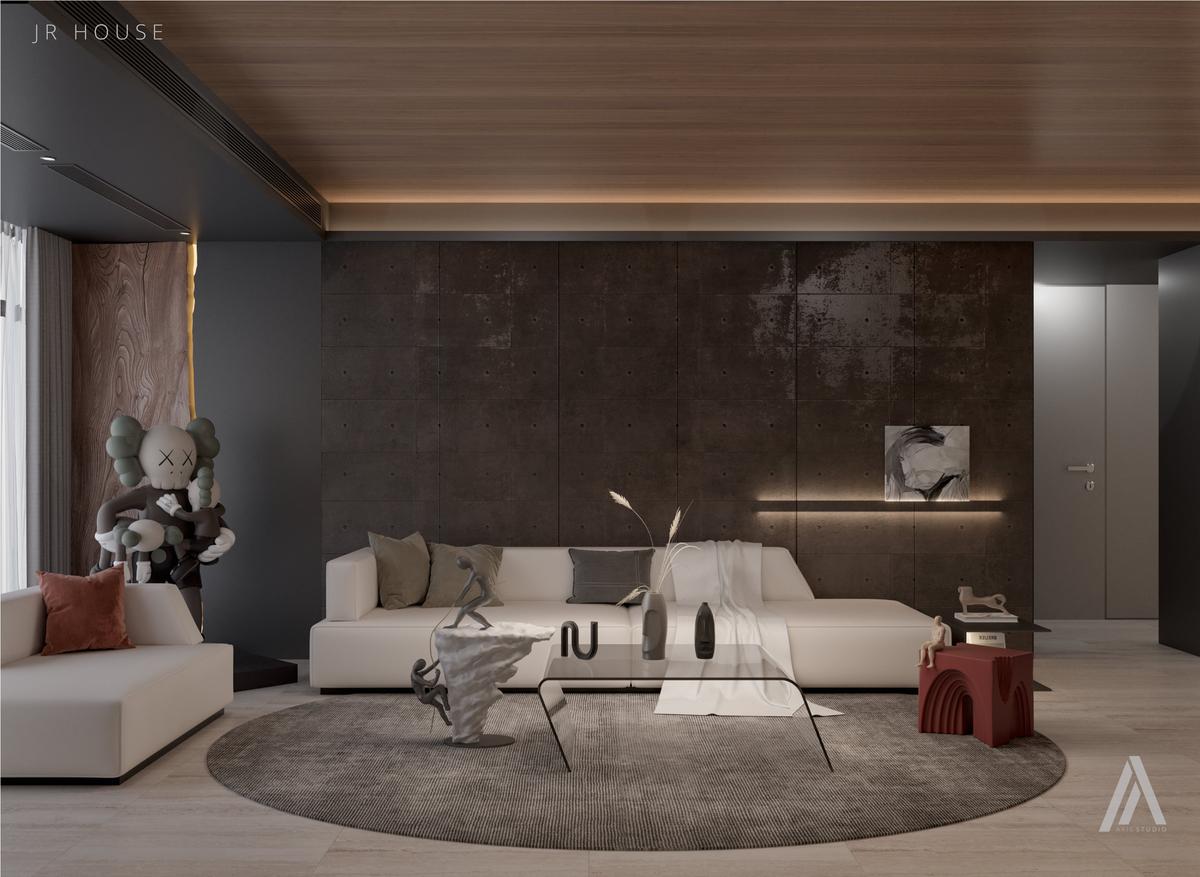
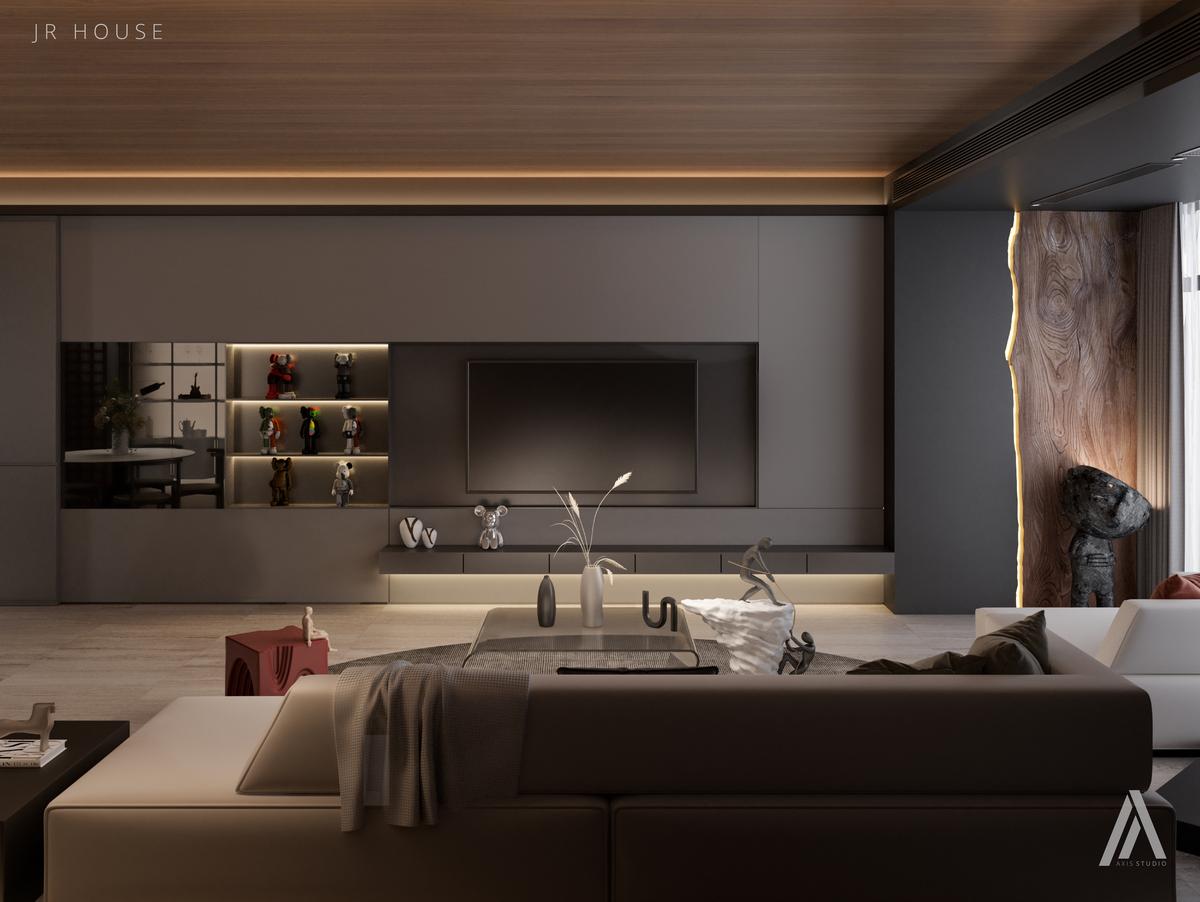
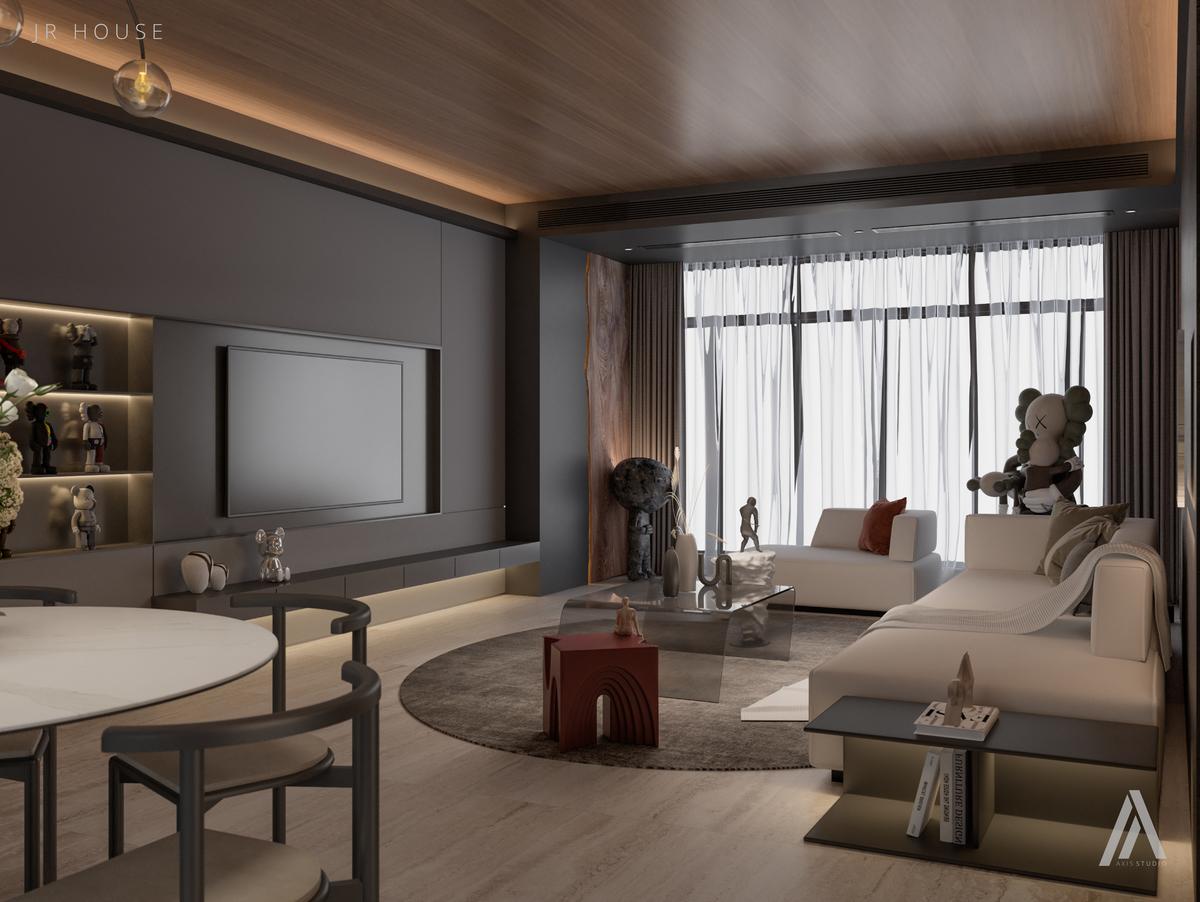
Onyx House is a project that explores darkness as architectural language. The oxidised microcement wall — the absolute protagonist — acts as a canvas that absorbs and redistributes the warm light from concealed LED strips, generating a dense, cinematic, almost theatrical atmosphere.
The timber ceiling — warm, natural, organic — balances the coldness of the microcement and anchors the space to a human scale. KAWS figures scattered throughout the room humanise an interior that might otherwise feel excessively austere.
This project was an exercise in artificial light control within dark interiors: ensuring every source — LED strips, wall lights, lateral natural light — had a different temperature and intensity, creating a light hierarchy that guides the eye through the space.
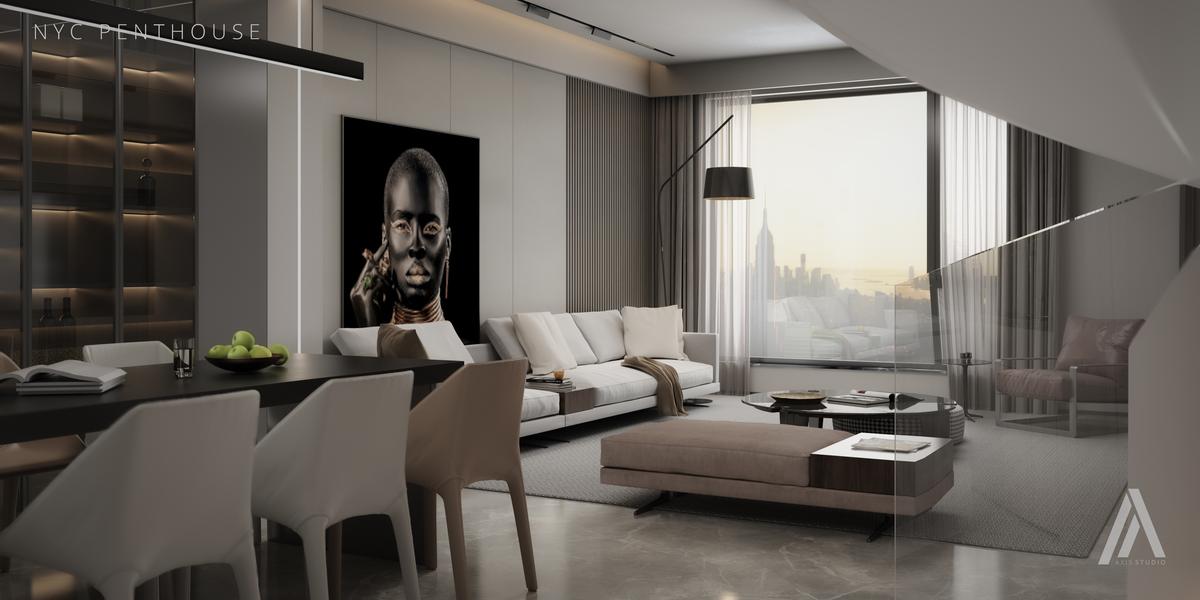
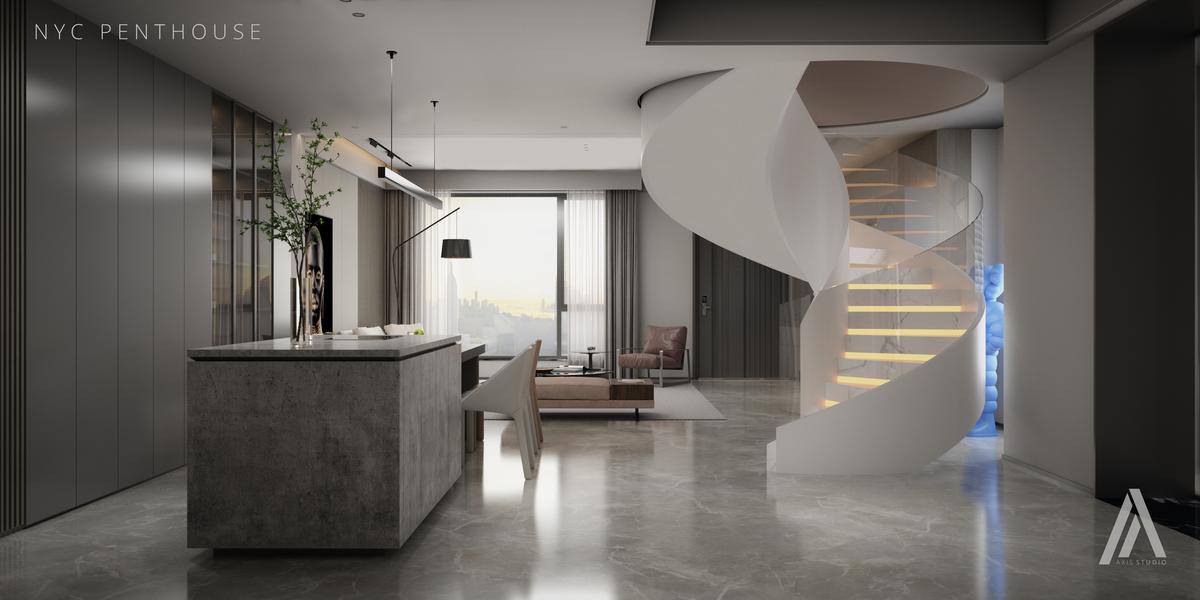
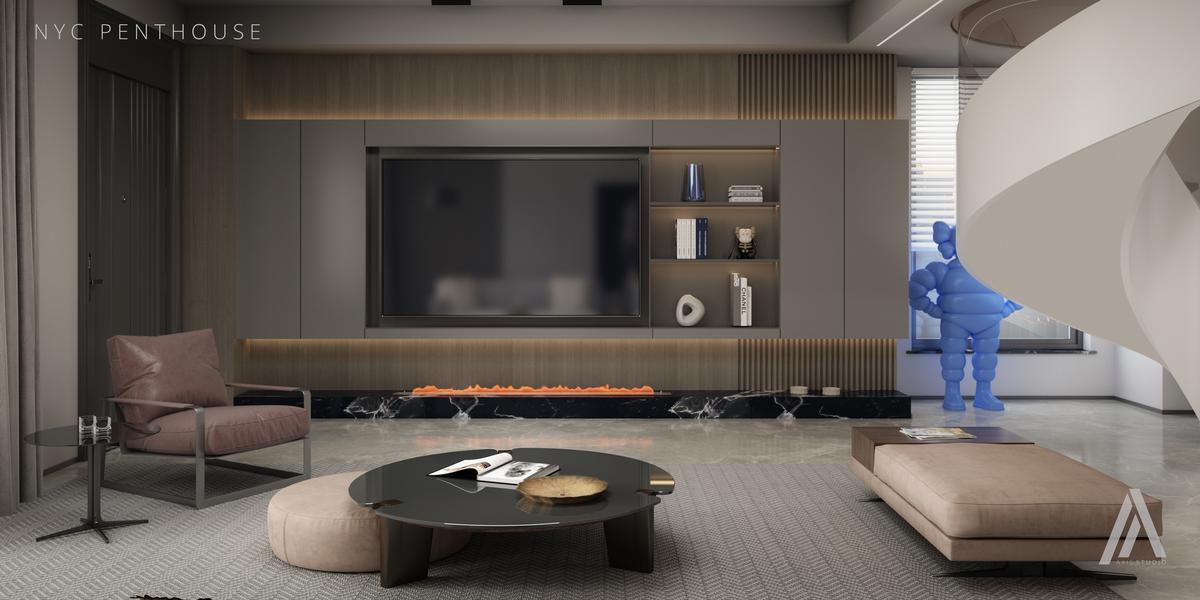
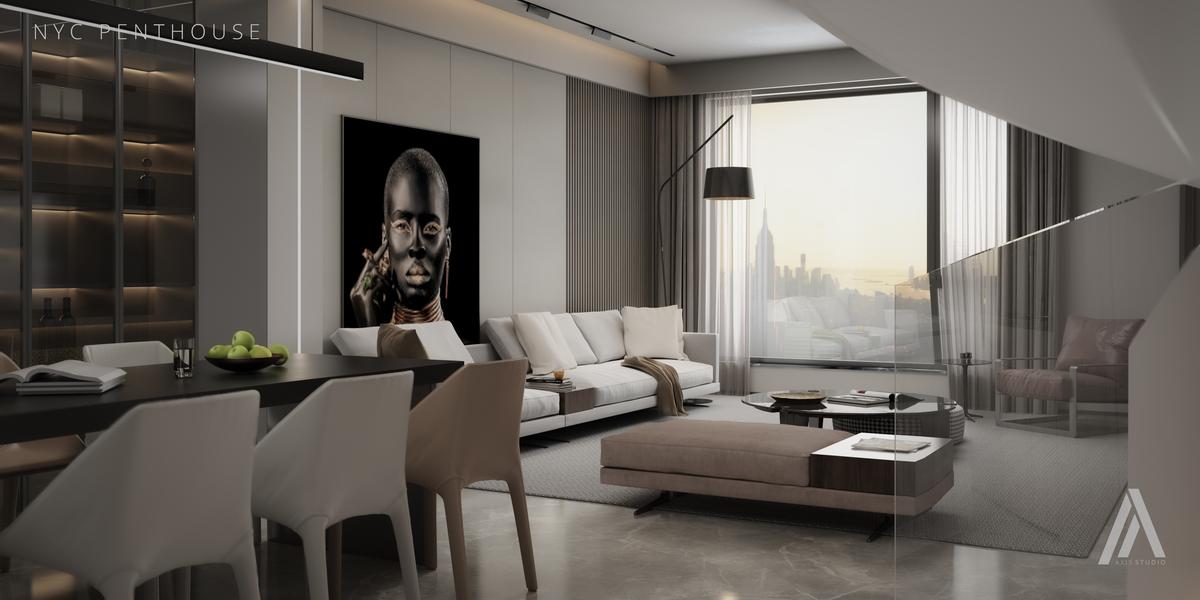
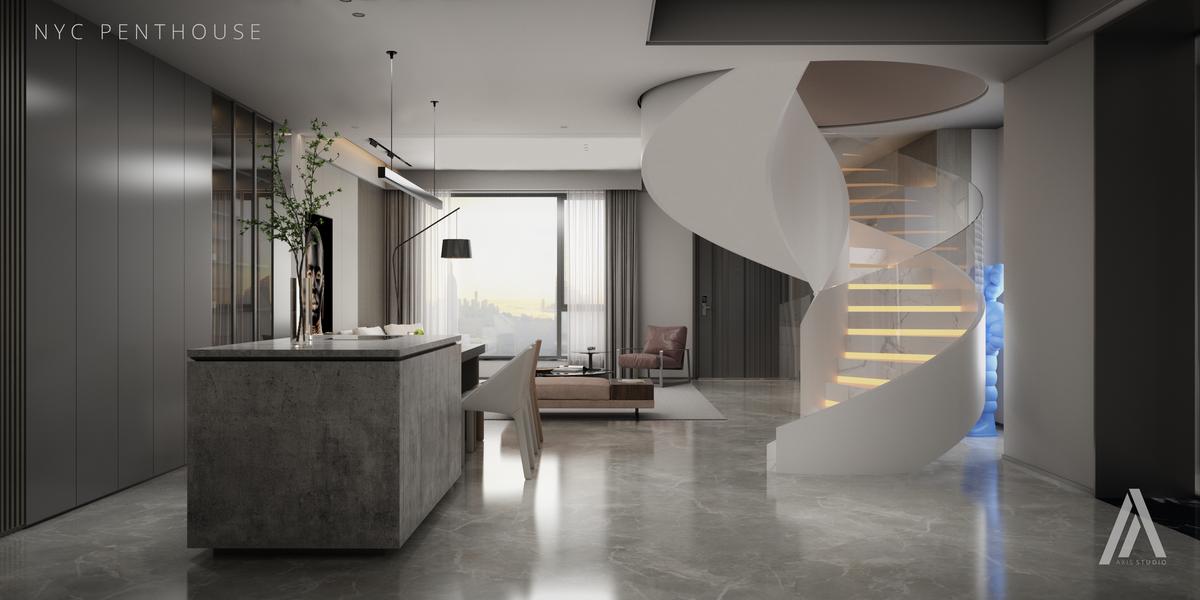
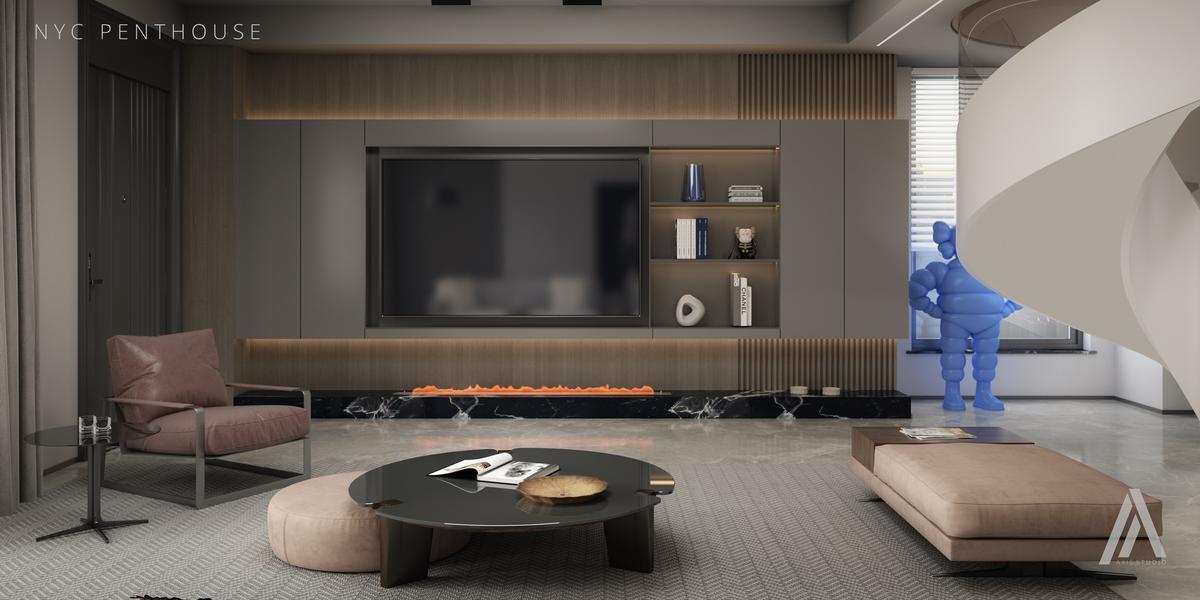
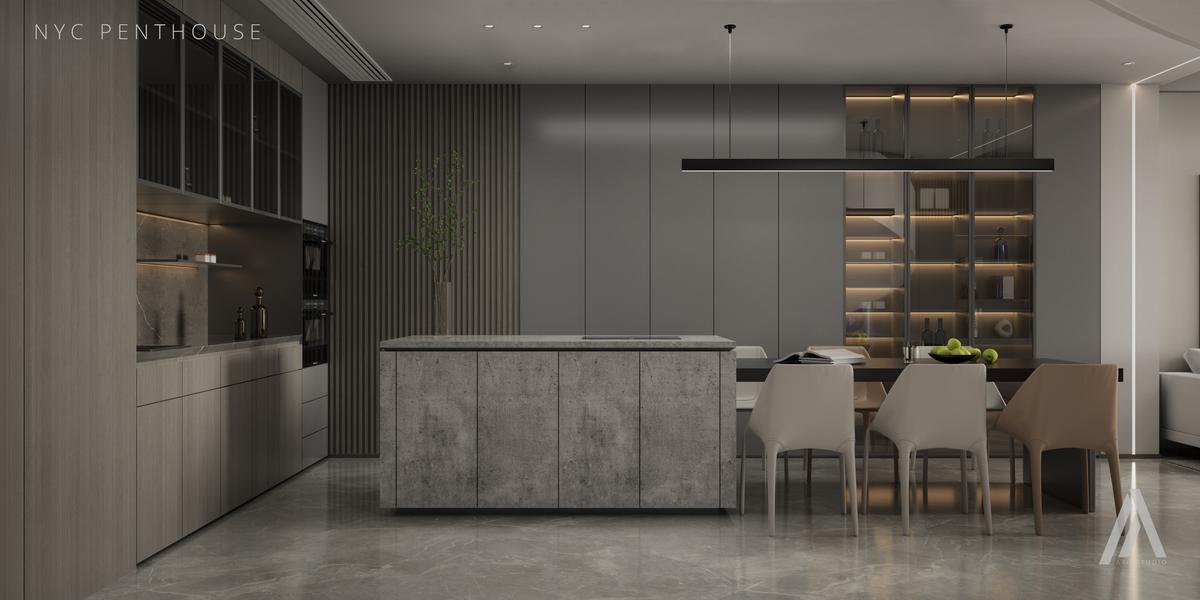
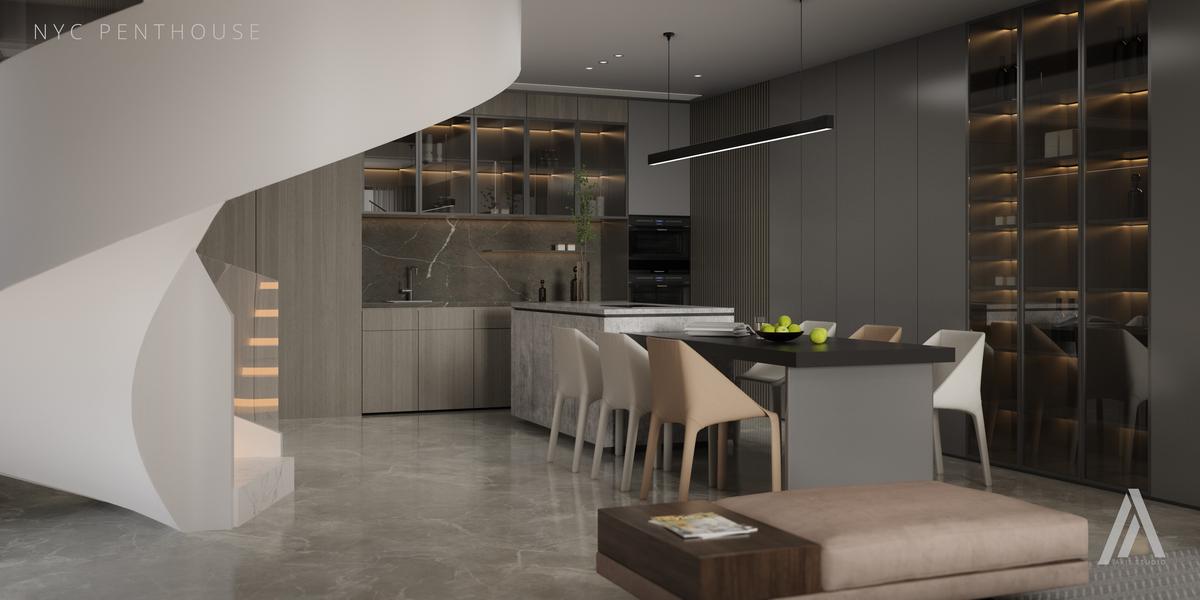
Manhattan Apex is the most ambitious project in the Axis Studio portfolio. A luxury penthouse where architecture and art coexist with views of the Manhattan skyline — the Empire State Building visible at dusk, the city lights softened by the translucent curtain.
The most challenging element was the white marble helical staircase ascending through the vertical space. A sculptural piece that demanded extremely precise modelling — every tread, every curve, every junction with the glass balustrade — and lighting that would highlight its volume without overexposing it.
The palette — marble grey, warm beige, dark timber, touches of brown leather — builds an unmistakably New York interior: elegant without ostentation, cosmopolitan without coldness. The blue figure in the corner breaks the seriousness of the whole and gives it character.